
When the hidden was revealed
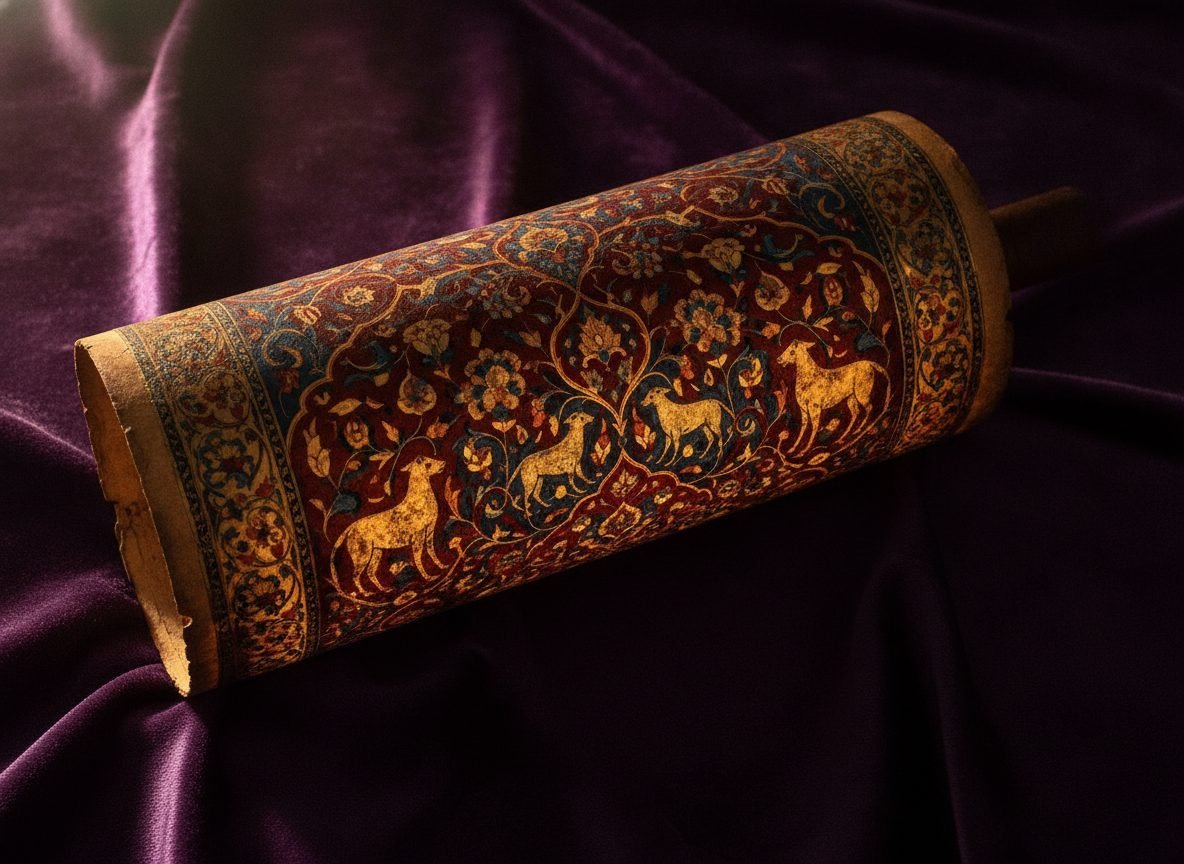
Purim (Hebrew פּוּרִים, “lots”) is observed on the 14th of Adar, at winter's end. It marks the rescue of the Jews of the Persian Empire from Haman's plot — the events told in the Scroll of Esther (Megillat Esther).
The name comes from “pur,” a lot: Haman cast it to choose the day of the Jews' destruction. But it was all turned around — “venahafoch hu”: what was meant for ruin became rescue, and a day of mourning became a day of joy.
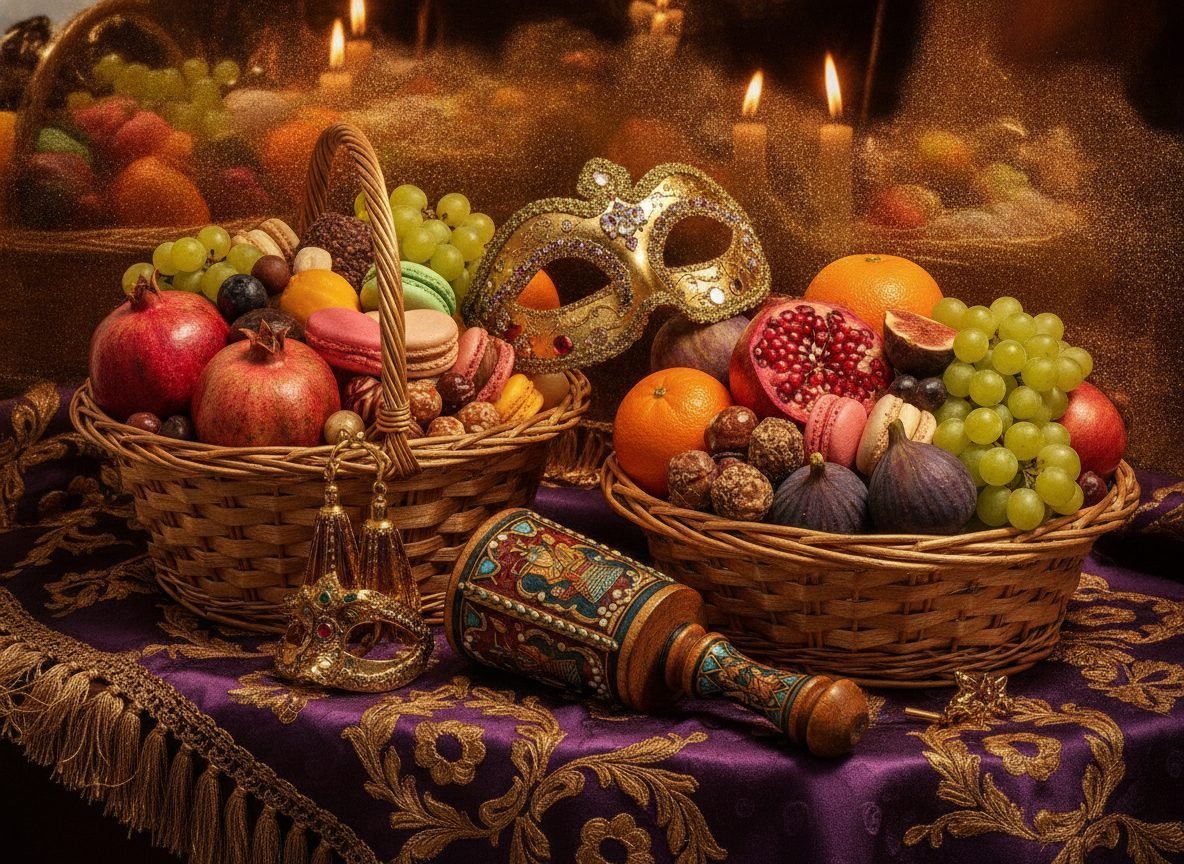
Purim is a festival of a hidden miracle. God's name is never mentioned in the Scroll of Esther: deliverance came through a chain of “coincidences.” Hence the masks and costumes — a reminder that a design hides behind the ordinary.
Purim in Azerbaijan
Azerbaijan is home to one of the world's oldest Jewish communities and a long tradition of interfaith tolerance. Purim is celebrated here loudly and joyfully: the Megillah is read in the synagogues of Baku and Quba, children dress in costume, and families exchange mishloach manot.
A special place belongs to Krasnaya Sloboda (Qırmızı Qəsəbə) near Quba — one of the few places in the world where Mountain Jews live compactly. The story of Esther, set in Persia, is especially close to the Mountain Jews, with their ancient Iranian roots and the Juhuri language.

Enter the festival
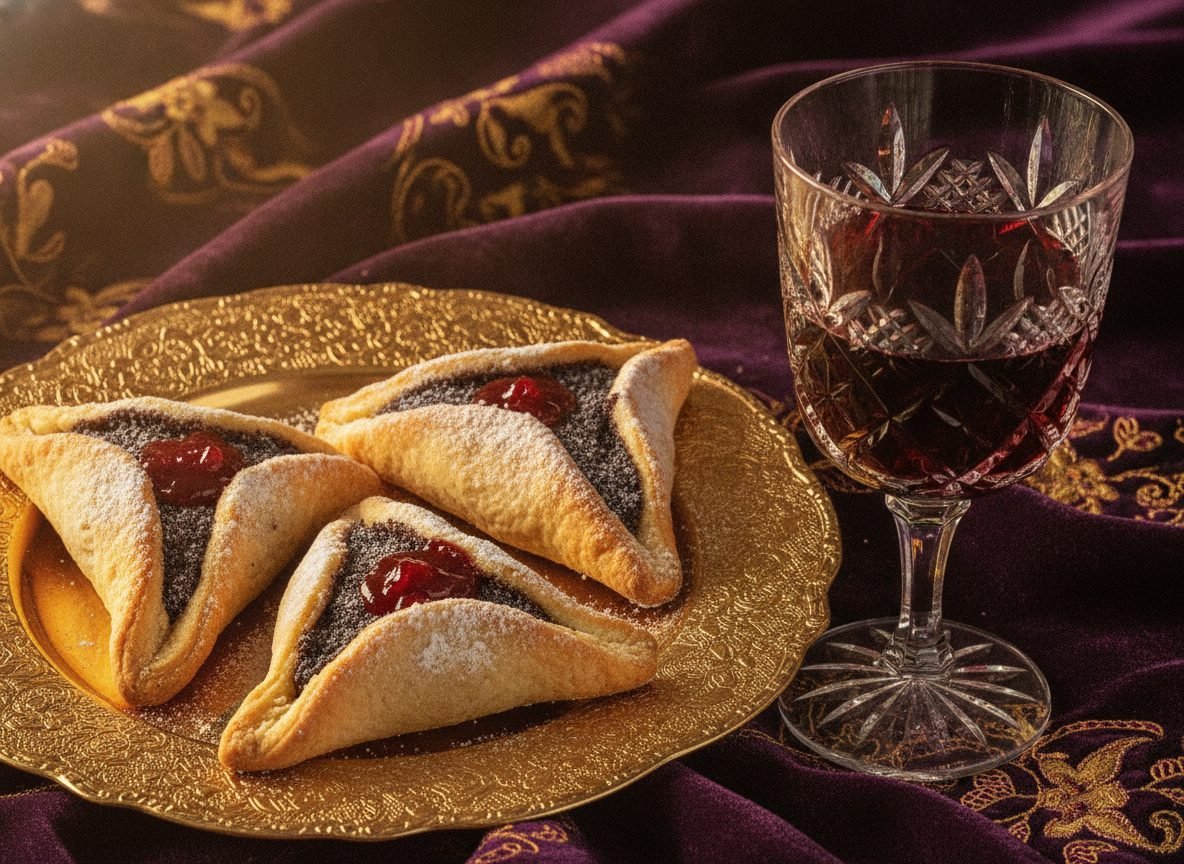
Three sides of Purim — the story of the Scroll of Esther, the customs of the day and the sweet festive table.

Venahafoch hu
And it was all turned around: what was meant for ruin became rescue and joy.
The festival in numbers
Purim falls on the 14th of Adar (in cities walled since the days of Joshua, on the 15th — “Shushan Purim”). In the Gregorian calendar, usually late February or March.